

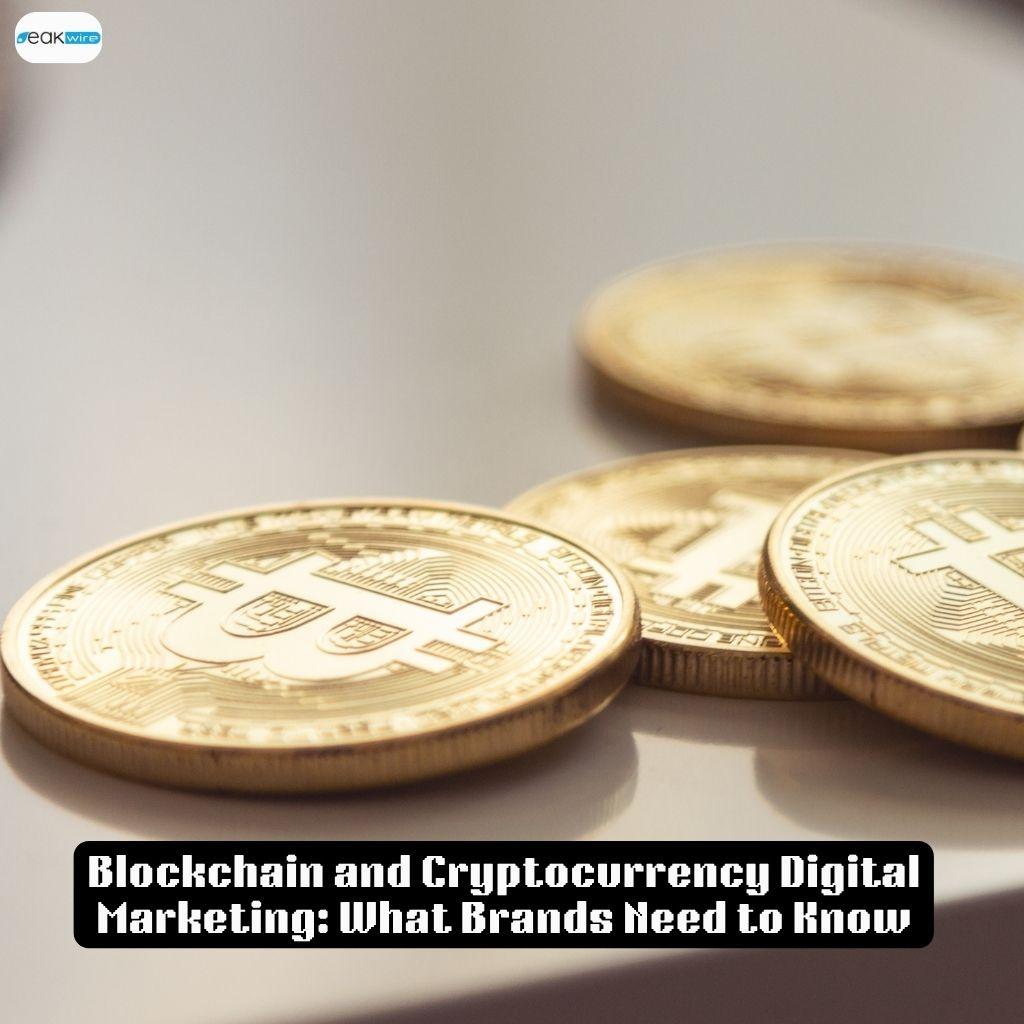
The cryptocurrency digital marketing landscape has undergone a seismic transformation. What began as a niche sector dominated by early adopters and tech enthusiasts has matured into a sophisticated ecosystem requiring specialized strategies, regulatory compliance, and deep understanding of decentralized communities. For brands navigating this evolution, blockchain technology isn’t just the foundation of crypto products—it’s fundamentally reshaping how digital marketing cryptocurrency campaigns are planned, executed, and measured.
Traditional marketing approaches fail spectacularly in Web3 environments. Generic advertising and blockchain strategies that work for conventional products collapse when applied to decentralized projects demanding transparency, community-first engagement, and proof of utility over hype. The gap between Web2 marketing tactics and Web3 realities creates competitive advantage for brands that master blockchain-native approaches while competitors struggle with outdated playbooks.
This comprehensive guide equips marketing for blockchain companies with the strategic framework needed to succeed in 2026’s evolved marketplace. From understanding how blockchain technology transforms data transparency and ad verification to implementing effective web3 press release distribution strategies and mastering seo in cryptocurrency digital marketing, you’ll gain actionable insights into leveraging blockchain’s revolutionary capabilities for measurable marketing results. Whether launching a new token, scaling an existing DeFi protocol, or integrating crypto payments into traditional business models, understanding blockchain’s impact on modern cryptocurrency and marketing represents the difference between market leadership and irrelevance.
Understanding Blockchain Technology in Marketing Context
What is Blockchain? Foundation Explained
Blockchain technology represents a decentralized digital ledger that records transactions across multiple computers in a network. Unlike traditional databases controlled by single entities, blockchain distributes information across numerous nodes, creating tamper-proof records that anyone in the network can verify but no one can alter retroactively.
Core Technical Characteristics:
Decentralization: No single authority controls the blockchain. Data is distributed across network participants (nodes), eliminating single points of failure and reducing vulnerability to manipulation or censorship.
Transparency: Every transaction recorded on the blockchain is visible to all network participants. This complete visibility builds trust through verifiability rather than requiring faith in centralized intermediaries.
Immutability: Once data is recorded in a blockchain “block” and added to the chain, it cannot be edited, altered, or deleted. This permanent record provides irrefutable audit trails for all activities.
Cryptographic Security: Advanced encryption secures each block and links it to the previous block via cryptographic hashes, creating the “chain.” Attempting to alter any historical transaction would require re-mining every subsequent block—computationally impractical for established blockchains.
Sequential Timestamping: Transactions are organized chronologically in blocks, creating transparent timelines showing exactly when each event occurred. This timestamp verification prevents backdating or historical manipulation.
How Blockchain Differs from Traditional Marketing Systems
Traditional Marketing Infrastructure:
- Centralized databases controlled by single companies (Google, Facebook, advertising platforms)
- Opaque data flows where intermediaries control information access
- Multi-party systems creating verification gaps between advertisers, agencies, ad exchanges, and publishers
- Limited transparency enabling fraud, fake impressions, bot traffic
- Consumer data collected without explicit consent or compensation
- Delayed reporting requiring trust in third-party metrics
Blockchain Marketing Infrastructure:
- Decentralized networks where all participants access identical information
- Transparent data flows with every transaction visible and verifiable
- Direct connections between advertisers and publishers reducing intermediaries
- Fraud prevention through immutable impression and engagement records
- Consumer data ownership with explicit consent mechanisms and potential compensation
- Real-time verification with instant, trustable performance metrics
The fundamental shift lies in replacing trust-based systems (requiring faith that intermediaries report accurately) with verification-based systems (where all parties independently confirm truth).
How Blockchain Technology Transforms Modern Marketing
1. Advertising Transparency & Fraud Prevention
The Problem: Digital advertising loses an estimated $100 billion annually to fraud. Bot traffic generates fake clicks and impressions. Ad stacking places multiple ads on top of each other so only the top ad is visible while advertisers pay for all. Domain spoofing disguises low-quality inventory as premium placements. Advertisers lack visibility into whether real humans actually saw their ads or if budgets were wasted on fraudulent activity.
The Blockchain Solution: Blockchain creates immutable records of every ad impression, click, and conversion. Smart contracts automatically verify that ads were delivered to real users, displayed in correct placements, and viewed for specified durations. Because these records cannot be altered after creation, all parties can independently verify campaign performance without trusting third-party intermediaries.
Implementation Examples:
- IBM’s Blockchain Advertising Initiative: Developed transparency systems allowing brands to verify impression delivery across entire supply chains. Early trials showed 40% reduction in reporting discrepancies.
- AdEx DSP: Decentralized advertising platform using blockchain for real-time verification of ad delivery, eliminating payment for fake impressions.
- MetaX (now defunct but pioneering): First major blockchain ad tech company demonstrating feasibility of transparent programmatic advertising before market conditions forced closure—validating concept while highlighting scaling challenges.
Business Impact: Brands implementing blockchain ad verification report 25-40% recovery of previously wasted ad spend by eliminating fraud. More importantly, the transparency builds trust with publishers, creating healthier long-term partnerships.
2. Enhanced Data Privacy & Consumer Control
The Privacy Paradox: Cryptocurrency digital marketing requires personalization for effectiveness, yet consumers increasingly demand privacy protection. Regulations like GDPR and CCPA mandate explicit consent, while third-party cookie deprecation eliminates traditional tracking methods. Marketers need behavioral data to target effectively, but consumers want control over personal information.
Blockchain’s Solution: Blockchain enables zero-knowledge proofs—cryptographic methods verifying user attributes without revealing underlying data. For example, blockchain can confirm a user is “over 21” or “interested in DeFi” without exposing their actual age or browsing history. Consumers maintain data ownership while selectively granting marketers access to anonymized insights.
Privacy-Preserving Personalization:
- Brave Browser Model: Users own their browsing data stored locally. Advertisers bid for attention without accessing personal information. Users receive crypto tokens (BAT) for viewing ads. Blockchain records ad exposure and compensation without revealing user identities.
- Wallet-Based Targeting: Advertisers target anonymized wallet behaviors (e.g., “addresses holding NFTs from specific collections”) without knowing wallet owners’ real-world identities.
- Consent Ledgers: Blockchain records exactly which companies have permission to use consumer data for what purposes, with immutable audit trails proving compliance.
Regulatory Advantage: Blockchain-based consent management provides irrefutable proof of GDPR/CCPA compliance. When regulators investigate data usage, blockchain records demonstrate exactly when consent was granted, what permissions were given, and how data was used—protecting brands from compliance violations.
3. Direct Brand-Consumer Relationships Without Intermediaries
Current Ecosystem Inefficiencies: In traditional digital marketing cryptocurrency campaigns, multiple intermediaries sit between brands and consumers: advertising agencies, demand-side platforms (DSPs), supply-side platforms (SSPs), ad exchanges, data brokers. Each intermediary takes fees (typically 30-50% combined) while reducing transparency. Brands pay premium prices for audience access they don’t truly control.
Blockchain Disintermediation: Blockchain enables direct relationships where brands compensate consumers for attention and engagement, eliminating middle-layer inefficiencies. Smart contracts automate compensation, ensuring instant payment when predetermined conditions are met (watching video, clicking link, making purchase).
Implementation Models:
Token-Based Loyalty Programs: Brands issue blockchain tokens rewarding customer engagement. Unlike traditional points systems managed by centralized databases (where companies can arbitrarily change rules), blockchain tokens operate via transparent smart contracts. Customers know exactly how rewards are earned and can verify balances independently.
Decentralized Customer Data Platforms: Instead of third-party data brokers selling consumer information, blockchain enables consumers to monetize their own data directly. Brands pay users crypto for explicit data sharing and survey participation, cutting out intermediary fees while getting higher-quality, consented information.
Community-First Marketing: Blockchain projects treat early supporters as stakeholders rather than customers. Token allocation gives community members governance rights, aligning incentives—when the project succeeds, token holders benefit directly. This transforms passive consumers into active evangelists invested in brand success.
4. Content Authenticity & Intellectual Property Protection
The Challenge: Marketing for blockchain companies involves substantial content creation: educational materials, thought leadership, visual assets. Yet digital content faces rampant plagiarism, unauthorized use, and difficulty proving original authorship. When competitors steal content or influencers claim they created client assets, resolving ownership disputes proves expensive and time-consuming.
Blockchain IP Registry: Blockchain creates permanent, timestamped records of content creation. When marketers publish materials, they hash the content and record it on the blockchain, establishing irrefutable proof they created it at specific times. This copyright protection operates globally without requiring registration with national authorities.
NFT Marketing Applications: Non-fungible tokens (NFTs) extend beyond art into marketing utility:
- Digital Event Tickets: NFTs as verifiable, non-transferable access credentials preventing counterfeiting and scalping
- Membership Passes: Blockchain-verified access to exclusive communities, content, or real-world experiences
- Limited Edition Collectibles: Brand NFTs creating artificial scarcity driving collector behavior and secondary market activity generating royalty revenue
- Proof of Attendance: NFTs certifying participation in events, conferences, or campaigns—building verifiable community credentials
5. Smart Contracts Automating Marketing Workflows
Traditional Campaign Inefficiencies: Cryptocurrency and marketing campaigns involve complex workflows: contract negotiations with influencers, payment processing delays, performance verification disputes, manual reconciliation between reported and actual results. Each friction point wastes time and creates conflict.
Smart Contract Automation: Self-executing code on blockchain automatically enforces agreements when predetermined conditions are met, eliminating manual intervention and dispute resolution:
Influencer Marketing Contracts:
- Smart contract specifies deliverables (3 posts, minimum 100,000 impressions each, 3% engagement rate)
- Blockchain verifies performance metrics via oracle data feeds
- Upon meeting thresholds, payment automatically releases from escrow to influencer’s wallet
- No invoicing, no payment delays, no disputes about whether conditions were met
Affiliate Marketing Automation:
- Blockchain tracks referrals via unique wallet addresses or codes
- Smart contracts calculate commissions based on actual on-chain transactions (not easily manipulated clicks)
- Instant cryptocurrency payment when sales occur, rather than 30-90 day payment terms
- Complete transparency—affiliates independently verify their performance and earnings
Media Buying Automation:
- Smart contracts execute programmatic ad purchases based on real-time performance
- Automated budget reallocation from underperforming to high-performing placements
- Instant reconciliation between delivery and payment—no monthly invoicing delays
Cryptocurrency Digital Marketing: Specialized Strategies
The Unique Demands of Marketing Blockchain Companies
Marketing for blockchain companies differs fundamentally from traditional product marketing. The audience is highly sophisticated, skeptical of hype, and demands transparency. Communities expect active participation from founders, not polished corporate messaging. Regulatory constraints limit advertising channels. Success requires balancing education (most people don’t understand blockchain) with credibility (no overpromising or vague roadmaps).
Building Trust Through Transparency
Challenge: The crypto space has been plagued by scams, rug pulls, and failed projects. Potential investors and users approach new blockchain projects with extreme skepticism. Generic marketing claims about “revolutionary technology” or “disrupting industries” trigger immediate dismissal.
Strategy: Demonstrate transparency at every level:
Doxxed Teams: Publicly reveal founder identities with verifiable backgrounds. Anonymous teams face automatic credibility deficits—even if individuals are respected industry veterans, anonymity raises red flags in an environment scarred by scams.
Open-Source Code: Make smart contracts publicly auditable on GitHub. Third-party security audits from reputable firms (CertiK, Quantstamp, Trail of Bits) provide independent verification that code functions as claimed.
Transparent Roadmaps: Publish detailed development timelines with measurable milestones. Regular progress updates comparing actual achievements against promised deliverables build credibility through consistent delivery.
On-Chain Metrics: Link directly to blockchain explorers showing real-time data: total value locked, transaction volumes, active addresses, token distribution. Verifiable metrics beat unsubstantiated claims.
Community-First Marketing Approach
Traditional Brand-Consumer Dynamics: Brands broadcast messages; consumers passively receive. Feedback loops are minimal. Customers have no ownership stake in company success.
Crypto Community Dynamics: Communities ARE the product. Token holders are literally invested stakeholders with governance rights. Early supporters expect ongoing engagement, not transactional relationships. Community sentiment directly impacts token prices and project survival.
Implementation:
Discord/Telegram Architecture: Build spaces for genuine interaction, not just announcement channels. Founders participate in daily discussions, answer questions transparently, acknowledge concerns rather than deflecting criticism.
Token-Gated Access: Reward holders with exclusive benefits: early access to features, governance voting rights, private alpha sharing, real-world event invitations.
Community Incentive Programs: Bounties for bug discovery, rewards for content creation, compensation for translation work. Transform community members into active contributors rather than passive observers.
Decentralized Governance: Give token holders actual decision-making power over roadmap priorities, treasury allocation, partnership approvals. When communities shape direction, they’re invested in success.
Web3 Press Release Distribution Strategy
Traditional vs. Crypto PR: Mainstream press release wires (PRNewswire, Business Wire) reach general business audiences but miss crypto-native communities. Generic financial journalists lack blockchain expertise to evaluate technical claims. Projects need specialized web3 press release distribution reaching crypto-specific media while maintaining mainstream credibility.
Specialized Crypto PR Distribution:
Crypto-Native Wires:
- Chainwire: Targets 1,000+ crypto publications specifically
- Bitcoin PR Buzz: Focuses on cryptocurrency and blockchain outlets
- Crypto News Release: Distributes to CoinDesk, Decrypt, Cointelegraph, The Block
Strategic Timing: Release announcements Tuesday-Thursday mornings (EST) when crypto journalists actively work. Avoid Mondays (catch-up day), Fridays (winding down), and major conference dates when media attention is fragmented.
Press Release Structure for Crypto:
- Headline: Must include specific technical detail—not “Revolutionary DeFi Platform Launches” but “Cross-Chain DEX Achieves 0.3% Slippage on $10M+ Trades via Novel AMM Architecture”
- Lead Paragraph: Lead with measurable achievement or funding milestone, not vision statements
- Technical Depth: Crypto journalists are technically sophisticated—include specific blockchain networks, consensus mechanisms, security audit results
- Founder Quotes: Focus on concrete utility and roadmap execution, not aspirational language
- Boilerplate: Include GitHub link, audit reports, blockchain explorer addresses
Embargo Strategy: Offer exclusive coverage to Tier 1 outlets (CoinDesk, The Block) with 24-48 hour embargoes. Exclusive angles incentivize quality coverage over generic reprinting.
SEO in Cryptocurrency Digital Marketing
Unique SEO Challenges:
High Competition: Every blockchain project targets the same keywords: “DeFi protocol,” “NFT marketplace,” “Layer 2 solution.” Ranking for these generic terms requires extraordinary authority.
Technical Complexity: Most blockchain concepts require education before users even search. How do you optimize for queries people don’t yet know to ask?
Constantly Evolving Terminology: New concepts emerge monthly. “Liquid staking derivatives” or “real-world asset tokenization” didn’t exist as search terms 18 months ago.
Strategy: Educational Content Domination:
Problem-Solution Content: Instead of targeting “blockchain gaming platform,” target the problems blockchain gaming solves: “how to earn cryptocurrency playing games,” “games where I actually own in-game items,” “play-to-earn without upfront investment.”
Comparison Content: Users evaluating options search for comparisons. Create authoritative guides: “Ethereum vs. Solana for NFT minting: Gas fees, speed, ecosystem comparison 2026” or “Top 10 decentralized exchanges ranked by liquidity, fees, security.”
Technical Deep-Dives: Advanced users search for specific technical implementations: “how does optimistic rollup fraud proof work,” “EVM compatibility vs. parallel execution.” Detailed technical content establishes thought leadership while capturing long-tail search traffic.
Keyword Strategy:
Primary Keywords: Target specific niches rather than impossible generic terms. Not “cryptocurrency exchange” (dominated by Coinbase, Binance) but “cross-chain DEX aggregator” or “privacy-focused decentralized exchange.”
Secondary Keywords: Educational variations: “what is [primary keyword],” “how to use [primary keyword],” “[primary keyword] tutorial,” “[primary keyword] vs. [competitor].”
Long-Tail Keywords: Hyper-specific technical queries demonstrating domain expertise: “how to calculate impermanent loss on liquidity pools,” “gas optimization techniques for ERC-20 token contracts.”
On-Page Optimization:
Schema Markup: Implement cryptocurrency-specific schema: Organization schema for blockchain companies, SoftwareApplication schema for wallets/dApps, FAQPage schema for common questions.
Internal Linking: Create content hubs linking related educational content. Main pillar page on “DeFi Lending” links to sub-pages: “How DeFi Lending Works,” “DeFi Lending vs. Traditional Loans,” “Best DeFi Lending Platforms 2026,” “DeFi Lending Risk Management.”
Technical SEO: Fast page loads crucial for mobile users in countries with slower internet (major crypto adoption markets). Optimize for Core Web Vitals, implement lazy loading, minimize JavaScript bloat.
Top Blockchain Marketing Agencies: Including EAK Digital
When selecting professional support for cryptocurrency digital marketing campaigns, specialized expertise in Web3 communities, regulatory compliance, and blockchain-native channels proves essential. Generic digital agencies lack the crypto-specific knowledge required for effective marketing for blockchain companies.
Leading Agencies for Blockchain Marketing:
1. Coinbound
- Specialty: Influencer marketing and media relationships in crypto
- Strengths: Established KOL network, proven track record with major DeFi protocols
- Best For: Projects prioritizing influencer-driven awareness campaigns
- Typical Investment: $25,000-$75,000+ monthly
2. ICODA
- Specialty: SEO and content marketing for blockchain companies
- Strengths: Technical content creation, seo in cryptocurrency digital marketing expertise
- Best For: Projects requiring organic search visibility and educational content
- Typical Investment: $20,000-$50,000+ monthly
3. EAK Digital
- Specialty: Comprehensive cryptocurrency digital marketing with global PR expertise
- Headquarters: London, with 6 global offices
- Strengths:
- Award-winning crypto press release distribution and media relations
- Integrated approach combining PR, KOL partnerships, community growth, and advertising and blockchain strategies
- Proven track record with major blockchain brands: Binance, Chainlink, Avalanche, Sui, Crypto.com
- Web3 press release distribution expertise reaching both crypto-native and mainstream media
- Strategic positioning as comprehensive solution partner rather than single-channel specialist
- 2025 award recognition for excellence in blockchain PR and communications
- Best For: Established blockchain companies requiring full-service marketing with strong media component, projects preparing major announcements needing professional web3 press release distribution, brands seeking global reach across multiple markets
- Typical Investment: $30,000-$100,000+ monthly for comprehensive services
- Differentiator: Combines traditional PR excellence with deep crypto-native community understanding—bridges gap between mainstream credibility and Web3 authenticity
4. NinjaPromo
- Specialty: Performance-driven growth marketing for Web3 projects
- Strengths: Data analytics, conversion optimization, multi-channel campaigns
- Best For: Growth-stage projects prioritizing measurable ROI
- Typical Investment: $15,000-$50,000+ monthly
5. MarketAcross
- Specialty: Enterprise blockchain communications and thought leadership
- Strengths: C-level executive positioning, institutional investor relations
- Best For: Enterprise blockchain companies targeting B2B and institutional markets
- Typical Investment: $40,000-$100,000+ monthly
Agency Selection Framework
Evaluate Based On:
Crypto-Native Experience: Have they successfully marketed blockchain projects through multiple market cycles? Can they demonstrate sellout mints, successful token launches, or sustained community growth?
Regulatory Awareness: Do they understand compliance requirements across different jurisdictions? Can they navigate advertising restrictions on platforms limiting crypto promotion?
Measurable Results: Request case studies with specific metrics: community growth rates, token performance, media coverage quantity and quality, conversion funnel optimization results.
Tool Access: What proprietary analytics, influencer networks, media relationships, and creative resources do they provide beyond generic marketing tactics?
Cultural Fit: Do they understand your specific blockchain niche (DeFi, NFTs, gaming, infrastructure)? Will they become genuine community participants or remain transactional service providers?
Implementation Roadmap: Getting Started with Blockchain Marketing
Phase 1: Foundation (Months 1-2)
Technical Infrastructure:
- Set up blockchain explorers for on-chain metrics transparency
- Implement wallet connection on website for community verification
- Create token-gated content areas rewarding holders
Community Building:
- Launch Discord/Telegram with proper channel architecture
- Recruit moderators covering multiple time zones
- Establish community guidelines and governance processes
Content Strategy:
- Develop educational content library explaining project fundamentals
- Create detailed technical documentation and whitepapers
- Build FAQ addressing common skepticism and concerns
Phase 2: Awareness (Months 3-4)
PR & Media:
- Engage specialized crypto PR firm or implement web3 press release distribution internally
- Pitch founding story and technical differentiation to crypto publications
- Secure podcast appearances and conference speaking opportunities
Influencer Outreach:
- Identify relevant crypto KOLs aligned with project values
- Initiate authentic relationships beyond transactional sponsorships
- Develop ambassador program for long-term partnerships
Paid Acquisition:
- Test crypto-native ad networks (Blockchain-Ads, Coinzilla, Bitmedia)
- Run targeted campaigns on Twitter/X reaching crypto audiences
- Experiment with wallet-based retargeting via blockchain data
Phase 3: Growth (Months 5-8)
Community Expansion:
- Implement referral programs rewarding existing members for bringing newcomers
- Launch bounty programs incentivizing content creation and bug reporting
- Organize virtual and physical meetups building real-world connections
Partnerships:
- Collaborate with complementary blockchain projects for cross-promotion
- Integrate with established platforms expanding distribution
- Sponsor relevant industry events and conferences
SEO & Content:
- Publish regular thought leadership demonstrating domain expertise
- Build backlink profile through guest posts on crypto publications
- Optimize for featured snippets answering common blockchain questions
Phase 4: Optimization (Months 9-12)
Data Analysis:
- Track on-chain metrics correlating marketing activities with wallet behavior
- Analyze community sentiment and engagement patterns
- Identify highest-ROI channels and reallocate budget accordingly
Retention:
- Develop holder-exclusive benefits increasing long-term value
- Implement staking or lock-up mechanisms incentivizing hold behavior
- Create governance participation opportunities engaging community
Scaling:
- Expand into new geographic markets with localized content
- Launch additional products or features cross-promoting to existing community
- Increase marketing budget in proven channels while testing emerging platforms
Conclusion: The Future of Blockchain-Powered Marketing
Cryptocurrency digital marketing has evolved from a speculative experiment into a sophisticated discipline demanding specialized expertise, technical literacy, and community-first thinking. Blockchain technology doesn’t just underpin the products being marketed—it fundamentally transforms the marketing infrastructure itself through transparency, disintermediation, and consumer empowerment.
The brands succeeding in this environment understand that advertising and blockchain represents more than tactical channel selection. It requires reimagining customer relationships as stakeholder partnerships, replacing opaque metrics with verifiable on-chain data, and demonstrating genuine utility rather than speculative hype. Whether implementing web3 press release distribution strategies to reach crypto-native media or mastering seo in cryptocurrency digital marketing through educational content domination, success demands treating blockchain marketing as a distinct discipline requiring unique approaches.
For marketing for blockchain companies, the choice is clear: adapt to Web3’s transparency, community governance, and proof-based credibility standards—or face competitive disadvantage against projects that embrace blockchain-native marketing principles. The technology enabling your product must also transform how you market it. Those who recognize blockchain as marketing infrastructure, not just product foundation, will build the dominant brands in crypto’s next evolution.
The frameworks provided—from understanding blockchain’s transparency advantages to implementing token-based loyalty programs to selecting specialized agencies like EAK Digital for comprehensive cryptocurrency and marketing support—offer actionable paths forward. The question isn’t whether blockchain will reshape marketing; it already has. The question is whether your marketing strategy evolves to leverage these revolutionary capabilities or remains trapped in Web2 thinking while Web3-native competitors capture market share.
FAQs About Blockchain and Cryptocurrency Digital Marketing
What is cryptocurrency digital marketing?
Cryptocurrency digital marketing promotes blockchain, DeFi, NFT, and Web3 projects using community-driven strategies, education, and transparency. It focuses on trust, token economics, and platforms like Discord and Telegram instead of traditional ads.
How does blockchain technology improve marketing transparency?
Blockchain records ad data like clicks and conversions on an immutable ledger, making it publicly verifiable. This reduces fraud, ensures real engagement, and builds trust by allowing advertisers to audit campaigns without third-party reliance.
What is web3 press release distribution and why does it matter?
Web3 PR targets crypto-native media like CoinDesk and Cointelegraph instead of traditional outlets. It matters because it reaches a knowledgeable audience that expects technical depth, credibility, and blockchain-specific insights.
How is SEO different for cryptocurrency companies?
Crypto SEO focuses on niche, long-tail keywords and technical content instead of broad terms. It emphasizes education, problem-solving, and thought leadership to stand out in a highly competitive and fast-evolving industry.
What should I look for when hiring a blockchain marketing agency?
Look for crypto experience, regulatory awareness, proven results, and niche expertise (DeFi, NFTs, etc.). The right agency should offer PR, community growth, and influencer outreach backed by measurable success.
How does blockchain enable better consumer data privacy while improving targeting?
Blockchain enables privacy through zero-knowledge proofs, allowing marketers to target user behavior without exposing personal data. Users control their data, ensuring compliance and personalized marketing without compromising privacy.
What are smart contracts and how do they automate marketing workflows?
Smart contracts are automated programs that execute actions when conditions are met. In marketing, they handle payments, track performance, and manage campaigns without manual intervention, ensuring efficiency and transparency.
Why is community more important than customers in crypto marketing?
In crypto, users are stakeholders with tokens and governance rights. Strong communities drive growth, trust, and adoption. Engaged members act as promoters, making community-building essential for long-term project success.